
News & Blogs




This attractive, chewable drink embraces diversity, establishing itself as a staple in American dessert culture as well as its Asian home grounds.
In this blog, we touch on diverse topics about Japanese food cultures, practices together with the culinary secret, TREHA®, and its important role in the Japanese food industry. We hope our blog helps you obtain in-depth knowledge of the secrets and science behind Japanese cuisine, shared from our kitchen, to yours.
No Language Barrior for Sweet Tooth
The term “mochi” became popular in the U.S. through a novel frozen treat called mochi ice cream, which gained traction in the 1990s, largely thanks to Japanese American entrepreneurs. Since then, it has become a favorite dessert.
But it’s not just mochi. Asian sweets, including boba tea, have evolved uniquely in the U.S., often taking on Americanized flavors. Let’s dive into this beloved drink that’s both chewy and delicious!
Bubble Tea Steals the Hearts of US Audience
Boba tea, which originated in Taiwan in the 1980s, has become a beloved beverage worldwide. It made its notable debut in the U.S. in California, where Taiwanese immigrants opened the first bubble tea shops. The trend quickly spread to other states, particularly in areas with large Asian populations. Initially popular among Asian communities, boba tea gained mainstream appeal through social media, leading to a surge in dedicated bubble tea shops across the country. This growing popularity has inspired the development of unique flavors that cater to local tastes while preserving the traditional elements of boba tea.
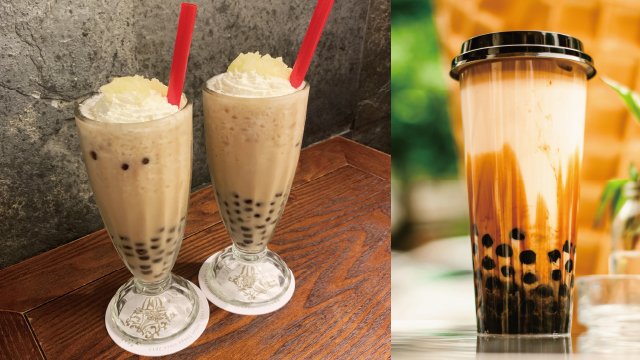
Tasting the Rainbow: Boba’s Flavor Spectrum
One of the most popular boba flavors in the U.S. is often listed simply as “milk tea.” This classic drink features a base of black tea and milk, complemented by chewy tapioca pearls. For those seeking extra sweetness, brown sugar can be added, sometimes replacing the tea altogether.
Milk Tea: This classic drink consists of black tea, milk, and chewy tapioca pearls, serving as a staple and the foundation for many variations.
Taro: Known for its signature purple hue and sweet, nutty flavor derived from the starchy root vegetable, taro boba tea is cherished in both Taiwan and the U.S.
Matcha: Made from finely ground young tea leaves, this Japanese green tea has gained popularity for its earthy, slightly bitter taste, often balanced with milk for a smooth finish.
Thai Tea: A rich blend of strong black tea and sweetened condensed milk, Thai tea offers a creamy and satisfying flavor.
Flavor Universe in the Boba Tea Community
These innovative flavors reflect the versatility and creativity within the boba tea community, making it a dynamic and ever-evolving beverage beloved across cultures and continents. By exploring these flavors, enthusiasts can enjoy a blend of traditional Taiwanese roots with modern, globally-inspired twists. According to our Taiwanese team member, she seldom encountered Thai tea or Ube flavors and never spotted Horchata during her recent visits.
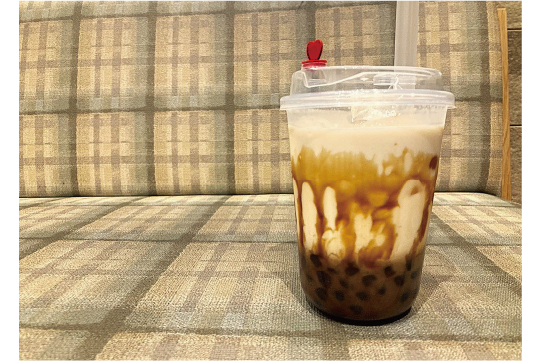
Brown Sugar Milk Tea: Also known as Tiger Milk Tea, this flavor features a rich brown sugar syrup that adds a caramelized sweetness and is often enjoyed without any actual tea. It is considered a U.S.-influenced flavor, particularly due to its visually appealing “tiger stripes” on the cup.
Horchata Boba: Inspired by the traditional Mexican drink, this flavor combines rice milk, cinnamon, and vanilla, offering a unique twist on classic boba tea.
Lavender and Jasmine: Infused with floral notes from lavender and jasmine, these boba teas provide a refreshing and aromatic beverage, reflecting a contemporary trend in the U.S.
Cheese Tea: Topped with a creamy layer of milk and cream cheese, this savory-sweet combination has piqued the curiosity of boba enthusiasts in the U.S. Originally from Taiwan, cheese tea has gained attention in various countries, including the U.S., primarily through social media and the rise of specialty boba tea shops.
Okinawa and Hokkaido Milk Teas: These flavors feature Okinawa brown sugar and rich Hokkaido milk, resulting in a creamier and more indulgent beverage with a distinctive regional flair from Japan. These teas appeal to consumers looking for something different.
Ube (Purple Yam): This flavor highlights the earthy sweetness of ube, a popular ingredient in Filipino desserts. Unlike taro, which has a sweet, nutty flavor, ube features a creamy texture with subtle nutty undertones, creating a visually striking and delicious drink that is both unique and satisfying.
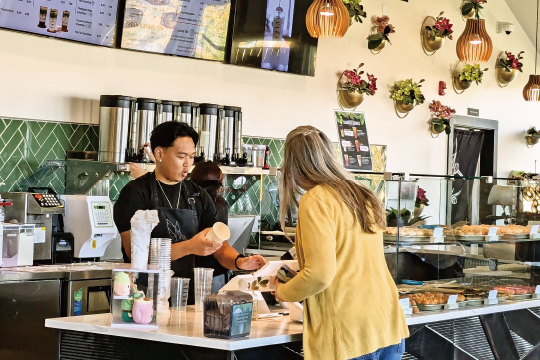
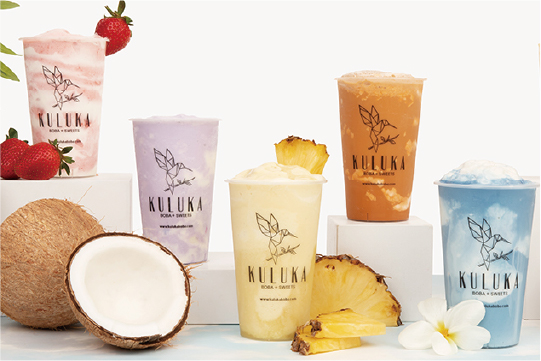
Let’s Add Some Fruits to See How It Taste Like
Fruit-based boba tea flavors are popular in both the U.S. and Taiwan. In Taiwan, fruity flavors are often incorporated into traditional bubble tea, reflecting the country's love for fresh, vibrant ingredients. Meanwhile, in the U.S., these fruit flavors have also gained significant popularity, particularly among consumers seeking refreshing options. Many bubble tea shops prominently feature these flavors on their menus, catering to a broad audience that enjoys the sweetness and revitalizing qualities of fruit-infused beverages. This trend highlights the versatility of boba tea and its ability to adapt to diverse tastes and preferences across cultures.
Bubbly Closing
If you’re new to boba tea, this Asian-born, ever-evolving treat is worth exploring. An authentic boba tea shop offers extensive customization options for sugar, milk, bubbles, and more.
Recently, warabi mochi(わらび餅) has emerged as a trendy alternative to tapioca pearls in drinks, capturing the interest of tourists in Japan. Warabi mochi is a traditional Japanese confection made from warabiko(蕨粉), a starch extracted from the bracken fern. Warabi mochi has a unique chewy and jelly-like texture, unlike typical mochi made from glutinous rice.
Team TREHA® is excited about this trend, as many successful applications have utilized TREHA® to extend the freshness of authentic warabi mochi. We’ll continue to delve into the irresistible world of Asian treats, so stay tuned!
We are grateful to Kuluka Boba + Sweets for sharing their menu photo with us—your delicious creations truly inspire us! Wishing you continued success and growth!
Did you find this blog interesting?
Please share it with your friends in the food service industry.
We regularly update the blog about the food culture of Japan, where TREHA® was discovered for culinary applications.
Click here and send us a message to subscribe.
Or hit us up on Instagram @trehalose_sensei!
You might also be interested in:
Mochi + TREHA®, the recipe booklet of mochi and Japanese confectionery (click here for detail)
Exclusive interview with Chef BAE Jae-Hyun of Le Bae Bakery in Daegu City, Republic of Korea