
News & Blogs




Discover the essence of furikake(ふりかけ), a portable, savory sprinkle that elevates rice and more into uniquely delightful and satisfying meals.
The history of furikake
Different types of furikake
Creative ways to use it
How to make your own furikake
Insights from Team TREHA®
In this blog, we touch on diverse topics about Japanese food cultures, practices together with the culinary secret, TREHA®, and its important role in the Japanese food industry. We hope our blog helps you obtain in-depth knowledge of the secrets and science behind Japanese cuisine, shared from our kitchen, to yours.
Introduction: Cooked rice has traditionally been the staple food in Japan. To complement the taste of plain white rice, various flavorful and shelf-stable items have been used, almost acting like small side dishes. These include pickled plums (umeboshi), simmered dishes (tsukudani), and seasoning sprinkles, collectively known as "rice companions." This article delves into the world of furikake, a popular rice companion.
The History of Furikake
Furikake(ふりかけ), a term combining the Japanese verbs "furi" (to shake) and "kake" (to put on), refers to a seasoning for cooked rice made by drying and finely chopping fish or vegetables, then mixing these with seaweed, sesame seeds, and salt. This uniquely Japanese food complements the staple diet of rice and is gradually gaining recognition overseas under its original name.
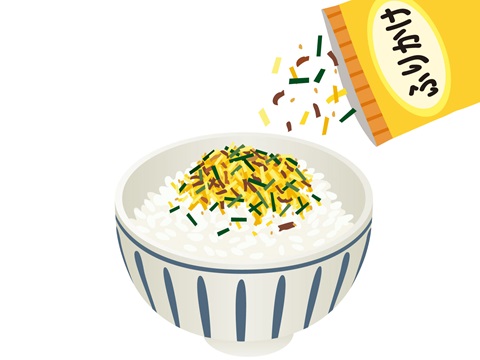
The oldest surviving Japanese cookbooks from the Kamakura period (1183 -1333) mention foods like dried and salted finely chopped fish (including salmon), suggesting that early forms of furikake were already in use. Modern furikake was developed about a hundred years ago to address calcium deficiencies among the Japanese. It started with the popular flavor of dried powdered small fish seasoned with soy sauce, and since then, various flavors of furikake have been developed.
Types of Furikake
Today's furikake comes in many flavors. Classics include dried seasoned bonito flakes, dried egg soboro (minced sweetened egg), and dried ground pickled perilla leaves. Recent additions include beef, chicken, salmon, cod roe, mixed vegetables, and pickled plums. These ingredients are widely accepted across all age groups. Additionally, there are spicy versions for more developed palates, such as sansho (Japanese pepper), wasabi, and curry. While dry, powdered furikake has been the norm, moist, semi-dried varieties have recently emerged, featuring ingredients like salmon, tiny sardines (chirimen), and wakame seaweed.
Creative Uses for Furikake
Furikake is not just for cooked rice anymore. Here are some innovative ways to enjoy it:
Pasta: Sprinkle on pasta for a unique flavor twist, especially good with cod roe or perilla furikake.
Salads: Use as a dressing substitute, adding robust flavor without the need for liquid dressing.
Stir-fries: Works well as a seasoning.
Others: Great on mashed potatoes, fish sauté, and steak.
In Hawaii, where there is a significant Japanese American population, furikake is widely used as a seasoning. For example, the popular local dish "Furikake Ahi" features grilled tuna coated in furikake. A typical appetizer, "Ahi Katsu," features a panko (Japanese style bread crumbs) and furikake crust. Furikake also plays an essential role in the "Poke Bowl," which is enjoyed far beyond Hawaii. There’s even a Furikake popcorn seasoning specifically for popcorn! Both in Japan and Hawaii, the array of furikake recipes continues to grow, heralding its potential to become a widely popular seasoning.
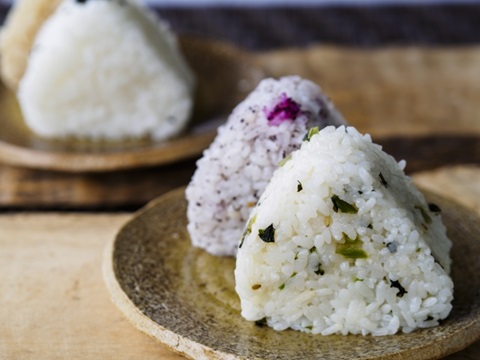
[INSIGHT] Exploring the World of Onigiri from Traditional Snacks to Global Delights
Why Not Try Making Furikake?
You can easily prepare furikake in your own kitchen. The process is straightforward. One method involves placing all dried ingredients into a food processor and grinding them into a sprinkle. Another method involves finely chopping the ingredients and stir-frying them with seasonings until all the moisture evaporates. The former produces a dry type that is long-lasting, while the latter yields a moist type that requires refrigeration but allows for effective utilization of leftover ingredients. Recipes for both types are introduced below.
◆◆ Dry Type ◆◆
Ingredients
Dried sardines (niboshi): 25g
Dried shrimp: 25g
Walnuts (or any nuts you prefer) : 30g
Sesame seeds: 5g
Salt: to taste
Preparation
1. Dry roast the sardines, shrimp, and nuts in a pan.
2. Combine them with the sesame seeds and salt.
3. Grind these ingredients in a food processor or mill until they turn into sprinkles.
4. Store the mixture in an airtight container to prevent moisture.
◆◆ Moist Type ◆◆
Ingredients
Vegetable peels: 200g
Kelp and bonito flakes (spent after dashi extraction or fresh can be used): 100g
Soy sauce: 1 tablespoon
Sugar: 1 teaspoon
TREHA®: 1 teaspoon (approx. 3g)
Cooking oil (as needed)
Preparation
1. Finely chop the vegetable peels, kelp, and bonito.
2. Heat a small amount of oil in a pan and sauté the chopped ingredients.
3. Once the ingredients are evenly coated with oil, add the soy sauce, sugar, and TREHA®.
4. Continue cooking until the moisture has completely evaporated.
My mother often made a dish by finely chopping carrot and daikon radish leaves, then stir-frying them with soy sauce, sugar, and bonito flakes. This is one way to deliciously upcycle parts of vegetables that might otherwise be discarded. The moist type of furikake can be enjoyed on its own as a side dish, even without sprinkling it over something else.
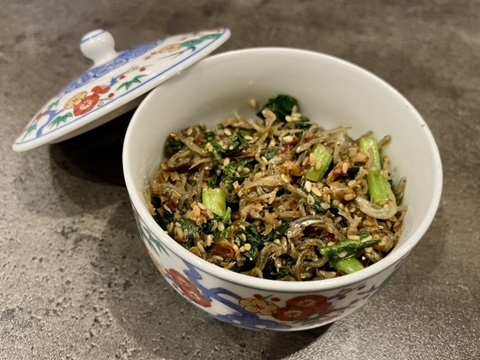
Furikake is highly versatile and can be adapted in countless ways. I encourage you to experiment with your favorite ingredients to create your unique version of furikake.
Conclusion
Rice has long been the staple food in Japan, but in fact, the consumption of rice has been declining year by year. Conversely, sales of furikake, a seasoning sprinkled over rice, have been increasing. In fact, the furikake market in 2024 reached its highest scale ever. One reason for this is the rising cost of living, which has made economical and tasty furikake a valuable addition to simple rice dishes. Another factor is its growing popularity abroad. More and more foreign tourists are purchasing Japanese furikake as souvenirs because it is affordable, offers a variety of flavors, and is lightweight. These factors seem to have contributed to the increase in furikake sales.
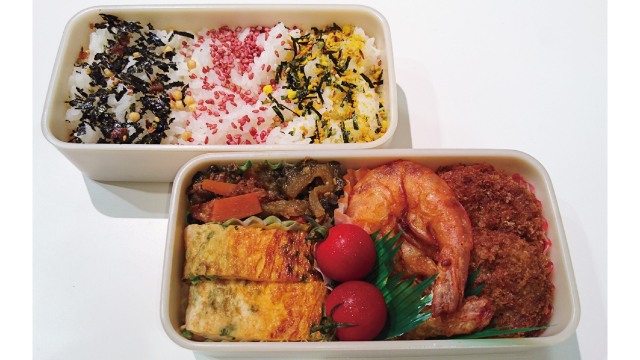
A dry-type furikake does not take up much space, making it easy to stock up without being cumbersome. This convenience often leads to a delightful dilemma when choosing from the wide variety available in stores, like deciding what to order from a diverse restaurant menu. I have bought several different flavors of furikake myself. Which one shall I try with today's rice? I'm looking forward to it.
Did you find this blog interesting?
Please share it with your friends in the food service industry.
We regularly update the blog about the food culture of Japan, where TREHA® was discovered for culinary applications.
Click here and send us a message to subscribe.
Or hit us up on Instagram @trehalose_sensei!
You might also be interested in:
Chef Andy's initiatives on sustainability (the CEO and Chief Instructor of Sushi Chef Institute in Torrance, California) LINK